

Who wouldn't want a sparkling white smile? Many people dream of whiter teeth, but sometimes it's not as simple as it seems. The good news is that there are several ways to achieve that radiant smile, safely and effectively. In this article, we'll explain in simple terms everything you need to know to whiten your teeth with confidence and achieve natural results.
O branqueamento dentário é um procedimento cosmético que visa clarear a cor dos dentes.
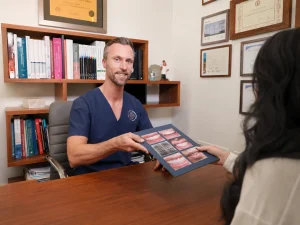
Tooth whitening, or teeth whitening, is an aesthetic treatment that aims to lighten the colour of the teeth, removing stains and yellowing caused by time, dietary habits, or tobacco consumption. Contrary to what many believe, whitening does not alter the structure of the teeth, it only removes accumulated pigments. This treatment can be carried out at the dentist's surgery or at home, using personalised kits, provided it is always supervised by a professional.Regardless of the method chosen, it is essential to ensure that the procedure is carried out with quality products and with the correct guidance. This makes all the difference in the results and the safety of the treatment. And yes, it is a safe procedure as long as it is done correctly.
Benefits of teeth whitening
The benefits of having whiter teeth go beyond aesthetics. A bright smile can boost your self-esteem and even improve your social and professional interactions. A beautiful smile conveys friendliness and confidence, and this can open doors, both in everyday life and at work.
As well as improving your appearance, teeth whitening can help with your oral health. When people feel their teeth look good, they end up taking better care of their oral hygiene, brushing their teeth regularly and going to the dentist more often. All of this contributes to a healthier mouth, preventing problems like cavities and gingivitis.
Another great benefit is the variety of treatments available. With so many options, it's possible to find one that suits your budget and lifestyle. And the best part: there are affordable solutions for everyone.[image_with_animation image_size=”full” animation_type=”entrance” animation=”Fade In” hover_animation=”none” alignment=”” border_radius=”none” box_shadow=”none” image_loading=”default” max_width=”100%” max_width_mobile=”default”]
Myths and truths about teeth whitening
There are many misconceptions about teeth whitening. One of the most common myths is that the treatment damages tooth enamel. The truth is that when done correctly, with safe products and under professional supervision, there is no risk of damaging the enamel. Another recurring myth is that whitening causes pain. Although some people may experience slight temporary sensitivity, especially to cold, this is easily managed with appropriate toothpaste.
It's also important to know that the results of whitening are not permanent. How long they last depends on your habits, such as oral hygiene, diet, and whether or not you smoke, but with good care, they can remain visible for one or two years.
Types of teeth whitening treatments
There are several treatment options, from those carried out in dental practices to at-home kits. In dental practices, professional whitening is faster and can even be done with a laser, guaranteeing almost immediate results.
Home kits, provided by dentists, allow you to carry out the treatment in the comfort of your own home, following the recommendations given by your dentist. These kits are a good option for those with a busier routine who prefer convenience.
There are also more affordable products, such as toothpastes or whitening strips, which can be bought in shops. However, the results are generally less effective than with professional treatments, so it is important to check the quality before use.
How to prepare your teeth for treatment
Before you start whitening, it is essential to have a consultation with your dentist. They will assess the overall health of your mouth, check for cavities, gum problems, or old fillings that may affect the outcome. A dental cleaning is almost always recommended before whitening, as it helps the product to act more uniformly and effectively.
Maintaining good oral hygiene in the weeks preceding treatment is also essential. Brushing your teeth regularly, flossing, and avoiding pigmented foods will prepare your teeth for the treatment and prevent unnecessary sensitivity.
Contraindications
Despite being a safe procedure, teeth whitening may not be suitable for everyone. There are some situations in which this treatment should be avoided or postponed. Patients with active cavities, gingivitis or other periodontal diseases should first treat these conditions. Whitening is also not recommended for pregnant women, breastfeeding women, individuals under 18 years old or people with very sensitive teeth.
Furthermore, those with visible restorations, such as crowns, porcelain veneers, or dental prosthetics, should be aware that these materials do not change colour with whitening, which can result in a shade difference between natural teeth and artificial parts. In these cases, the dentist may recommend alternatives or combine treatments to harmonise the smile.
Tips for keeping your teeth white after treatment
After whitening, to keep your teeth looking good always, avoid drinks and foods that can stain them, such as coffee, tea, red wine, and soy sauce. If you don't want to stop consuming them, use a straw to reduce contact with your teeth.
It is also important to maintain a good oral hygiene routine, brushing your teeth at least twice a day and using dental floss. Specific tooth whitening toothpastes help maintain the whitening for longer.
Regular trips to the dentist also help. They can perform routine cleanings to ensure your teeth remain white, as well as assess whether any extra treatment is needed.
Dental Whitening Treatment Care
Always follow the instructions of your dentist or the product you choose. Each treatment has its own specifics and, by not following the guidelines, you may obtain unsatisfactory results.
If you feel any sensitivity in your teeth after treatment, try to use products specifically for sensitive teeth, which help to reduce discomfort.
Don't rush into having treatments too frequently. Give your teeth time to recover. Carrying out whitening too often can damage tooth enamel, so always follow your dentist's recommendations.
Conclusion
In summary, teeth whitening is a practical and effective solution for anyone who wants a whiter, healthier smile. By understanding the available options and properly preparing your teeth before starting treatment, you can achieve the best results. And don't forget: with good care, your smile will stay radiant for much longer!
For more information or to book your appointment, contact us and achieve the smile of your dreams safely and effectively. We look forward to hearing from you!
Frequently Asked Questions about teeth whitening
Is teeth whitening safe?
Yes. When carried out by a dentist or with products recommended by professionals, teeth whitening is a safe and effective treatment.
Does teeth whitening cause sensitivity?
It can cause temporary sensitivity in certain cases. However, this sensation usually disappears within a few days and can be minimised with toothpastes for sensitive teeth.
How long do the results last?
The results vary depending on post-treatment care, but on average they last between 6 months and 2 years. Habits such as smoking or consuming staining foods can reduce the duration.
Quais alimentos devo evitar após o branqueamento?
After treatment, you should avoid foods and drinks with strong pigmentation, such as coffee, tea, red wine, dark fizzy drinks, berries and coloured sauces.
Is at-home whitening effective?
Home kits can be effective, especially when provided and supervised by a dentist. However, in-office treatments tend to ensure faster and longer-lasting results.
Does teeth whitening damage enamel?
No, as long as it's done correctly and following the dentist's recommendations. Overdoing the frequency or using uncertified products can indeed compromise dental health.