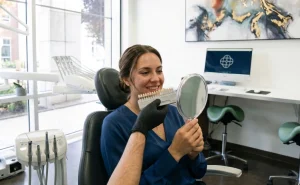


If you are considering getting a dental implant, it's natural to have many questions. From the price to recovery, here you'll find all the essential information to make an informed decision.
How much does it cost to get a dental implant?
The price of a dental implant can vary depending on the materials used, the complexity of the procedure, and the clinic chosen. In Portugal, the cost of a complete dental implant, including the crown, can range between 800 to 2,500 euros per tooth. For an accurate quote, it is always recommended to book a consultation for an assessment, where the dentist will analyse your case and recommend the best solution for you.
What types of dental implants are there?
Dental implants can vary according to the material and technique used. Titanium implants they are the most common, due to their resistance and compatibility with the body. As for the Zirconia implants They are a non-metallic, more aesthetic alternative.
Depending on the placement mode, there are the endosseous implants, which are inserted directly into the jawbone, and the subperiosteal implants, placed on the bone, indicated for patients with lower bone density.
For those seeking a faster recovery, the immediate implants allow the placement of the provisional tooth on the same day as the surgery. There are also options such as screwless implants, which dispense with internal metallic components, and the implants without incisions, using minimally invasive techniques for greater comfort and faster healing. The choice of the best option depends on a detailed assessment by the dentist.[image_with_animation image_url=”2948″ image_size=”full” animation_type=”entrance” animation=”Fade In” hover_animation=”none” alignment=”” border_radius=”none” box_shadow=”none” image_loading=”default” max_width=”100%” max_width_mobile=”default”]
What can go wrong with a dental implant?
Despite the high success rate, there are some risks associated with dental implants. infection (peri-implantitis) is one of the most common complications and can occur if oral hygiene is inadequate. In some cases, the implant may not fuse correctly to the bone, a problem known as Lack of osseointegration. Furthermore, there is the risk of nerve or adjacent tissue injury, which can cause persistent pain or numbness in the affected area.
A implant rejection it is rare, but can occur in patients with certain health conditions or harmful habits, such as smoking. To minimise these risks, it is essential to choose an experienced professional and follow all post-operative recommendations.
How long do dental implants last?
With the proper care, a dental implant can last 20 or over. The longevity of the implant depends on factors such as oral hygiene, dietary habits, and regular dental check-ups. Maintaining proper follow-up helps ensure the implant remains healthy and functional over time.
How much rest after dental implant surgery?
The recovery time varies from person to person. In the first few two days, Complete rest and application of ice are recommended to minimise swelling. After three to seven days, Most people can resume their normal activities, avoiding strenuous physical exertion.
Osseointegration, or the fusion of the implant with the bone, takes between three to six months before the placement of the permanent crown. During this period, it is essential to follow all the dentist's recommendations to ensure proper healing.
To relieve pain after a dental implant, you can:
Pain and swelling are normal in the first few days after surgery, but can be effectively managed. The dentist may prescribe Analgesics and anti-inflammatories to relieve discomfort. The application of Ice on the face During the first 24 hours, it helps to reduce swelling.
It is also important to avoid very hot or hard foods, opting for soft, cold meals in the first few days. Oral hygiene should be maintained carefully, avoiding brushing directly on the operated area.
If the pain persists for more than a week or increases in intensity, it is essential to contact your dentist to assess the situation.
Conclusion
Dental implants are an effective and long-lasting solution for replacing lost teeth, improving chewing and the aesthetics of a smile. With increasingly advanced options, such as screwless and incisionless implants, it is possible to find alternatives that better suit each patient. To ensure a safe and satisfactory outcome, it is essential to choose a qualified professional and follow all recommendations for proper recovery.
Request your quote now
Frequently Asked Questions about Dental Implants
How much does a dental implant cost in Portugal?
The price of a complete dental implant, including the crown, can range from €800 to €2,500 per tooth. The cost depends on the complexity of the case, the materials used, and the chosen clinic.
Do dental implants hurt?
During the procedure, the patient is under anaesthetic, so they will not feel pain. After the operation, some discomfort is normal, which can be relieved with painkillers and care recommended by the dentist.
The recovery time for a dental implant can vary, but it typically takes between 3 to 6 months for the implant to fully integrate with the jawbone. This period is known as osseointegration. However, the overall treatment timeline, including the surgical placement of the implant and the final restoration (like a crown), can take longer. Here's a more detailed breakdown: * **Initial Healing (Post-Surgery):** Immediately after the implant surgery, you'll likely experience some discomfort, swelling, and minor bleeding for the first few days to a week. This is similar to other surgical procedures. Pain medication and following post-operative care instructions will help manage this. * **Osseointegration:** This is the crucial phase where the titanium implant fuses with the jawbone. This process usually takes 3 to 6 months. During this time, the implant is largely undisturbed. * **Abutment Placement (if needed):** In some cases, a second procedure is required to expose the implant and attach an abutment (a connector piece). This is usually done a few months after the initial implant placement, once osseointegration is well underway. * **Crown Placement:** Once the implant is fully integrated and the abutment is in place, the final crown (the visible tooth) is attached. This is typically the last step. **Factors that can influence recovery time:** * **The patient's overall health:** Conditions like diabetes or a compromised immune system can slow healing. * **Bone density:** Adequate bone width and height are essential. If bone grafting is needed, it adds significant time to the overall treatment. * **Location of the implant:** Implants in the upper jaw may heal differently than those in the lower jaw. * **Smoking:** Smoking hinders healing and can increase the risk of implant failure. * **The dentist's technique and the type of implant used.** It's important to follow your dentist's specific post-operative instructions carefully to ensure optimal healing and successful integration of the implant. They will be able to provide the most accurate timeline based on your individual situation.
For the first 2 days, complete rest is recommended. Most people resume normal activities between 3 to 7 days. Complete fusion with the bone (osseointegration) can take between 3 to 6 months.
Are there different types of dental implants?
Yes. The most common are titanium and zirconia implants. There are also immediate implants, without cuts and without screws, depending on the patient's needs and bone condition.
What aftercare is needed following implant placement?
It is important to apply ice for the first 24 hours, avoid physical exertion, maintain a soft and cold diet, and strictly follow the dentist's recommendations for oral hygiene and medication.
Can dental implants be rejected?
Rejection is rare, but can happen, particularly in smokers or people with specific health conditions. Good hygiene and professional monitoring drastically reduce this risk.
How long does a dental implant last?
With the correct care, an implant can last 20 years or more. Regular check-ups, good hygiene, and avoiding harmful habits increase longevity.
What can go wrong with a dental implant?
Complications include infection (peri-implantitis), lack of integration with the bone, and in rarer cases, nerve damage. Choosing an experienced dentist significantly minimises these risks.
Immediate or traditional implant: which is best?
Immediate implants allow the tooth to be placed on the same day as the surgery, but not all patients are suitable candidates. The dentist will indicate the best option after a clinical and radiographic evaluation.
Quem pode colocar implantes dentários?
Almost all adults can have implants, provided they have good oral health and sufficient bone density. More complex cases may require prior bone grafting.