

Teeth whitening is now one of the most sought-after treatments in aesthetic dentistry. It not only improves the tone of the teeth but also restores a younger, brighter, and more confident smile.
But another very common doubt among those who undergo this treatment is: “How can I maintain the results for longer?”
In this article, we explain how teeth whitening works, why its durability varies from person to person, and offer 3 simple yet effective tips to prolong the brightness of your smile.
What is teeth whitening and how does it work?
In simple terms, the Teeth whitening It is a treatment that allows the natural colour of the teeth to be brightened by several shades.
According to dentist Jorge Farrús, this procedure “leaves teeth whiter and brighter, giving a youthful and healthy appearance.”.
During treatment, a specific gel is used, which can be applied in a clinical setting or, in some cases, supplemented with at-home application, always under the supervision of your dentist.
Who can have their teeth whitened?
Most people in good oral health can undergo this treatment.
According to the Portuguese Dental Council (OMD), individuals with cavities, dental lesions, excessive sensitivity, or tooth wear should treat these conditions first before proceeding with teeth whitening.
Additionally, individuals under 18 years of age should not undergo the treatment.
What is the treatment?
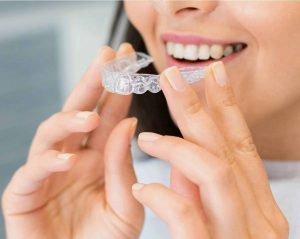
Whitening can be done entirely at the clinic, with sessions controlled by the dentist, or with a combined approach (in-office + home application using custom trays).
In both cases, a bleaching gel adapted to each patient's circumstances is used.
Sensitivity after whitening: what to expect?
It is normal to experience some tooth sensitivity after teeth whitening. This situation tends to be temporary and will disappear naturally after a few days.
The durability of teeth whitening varies from person to person due to a number of factors. These include: * **Diet and Lifestyle:** Consuming staining foods and drinks (like coffee, tea, red wine, and berries), smoking, and poor oral hygiene can all reduce the longevity of whitening results. * **Genetics:** Natural tooth enamel composition and porosity can influence how well and how long the whitening effect lasts. Some people's enamel may be more resistant to staining. * **Type of Whitening Treatment:** Different methods (in-office, take-home kits, whitening toothpaste) have varying strengths and durations of effectiveness. In-office treatments often yield more immediate and longer-lasting results than over-the-counter products. * **Initial Tooth Colour and Cause of Discolouration:** Teeth that are naturally yellower tend to respond better to whitening than those that are more grey or brown. The cause of discolouration (e.g., extrinsic stains from food vs. intrinsic stains from medication or trauma) can also affect how long the whitening lasts. * **Aftercare and Maintenance:** Following post-treatment instructions, maintaining good oral hygiene, and possibly using touch-up treatments can extend the results. * **Tooth Structure and Age:** Over time, tooth enamel can wear down, making teeth more susceptible to staining. The thickness and density of enamel also play a role.
Not all teeth react the same way to whitening, nor do the results last as long for everyone.
Two main factors influence this variation:
The role of enamel and oral hygiene
Each person has a different type of tooth enamel, which affects their response to treatment and how the teeth retain the achieved shade.
Furthermore, careful oral hygiene is crucial for maintaining the results.
The influence of eating habits
Pigmented foods and drinks (such as coffee, red wine, or strong sauces), as well as tobacco, contribute to the gradual darkening of teeth.
Therefore, lifestyle plays an important role in maintaining a white smile.
3 Tips to prolong the results of your teeth whitening
Maintaining your teeth whitening doesn't require huge sacrifices, but it does demand attention to a few details. Here are 3 essential tips:
Moderate consumption of drinks that stain teeth.
Coffee, black tea, red wine and coloured alcoholic drinks are known to stain teeth.
After whitening, it is advisable to reduce consumption of these drinks, especially in the weeks following treatment.
If you can't avoid it, a practical tip is to use a straw or drink some water afterwards to minimise prolonged contact with your teeth.
2. Visit your dentist regularly
Follow-up consultations are essential. After a whitening treatment, it is usually recommended to visit the dentist every 6 months, or at least once a year.
These visits allow for an assessment of the enamel's condition, removal of any staining, and reinforcement of whitening effects if necessary.
Furthermore, a professional cleaning helps preserve the natural shine of your teeth.
3. Extra tip for enhancing your smile (especially for women)
An interesting trick, especially for women, is to choose lipstick colours that favour contrast with the teeth and enhance their white tone.
Shades such as red, fuchsia and vibrant pink create this effect, whilst colours like orange or yellow tend to highlight any blemishes or darkening.
Professional maintenance: when should you go back to the dentist?
Even though the results of your teeth whitening remain clearly visible, it is important to attend regular consultations.
The dentist may recommend professional cleanings and, in some cases, minor whitening top-ups.
Don't forget: maintaining a sparkling smile depends more on daily habits than on repeating the full treatment frequently.
The importance of maintenance consultations
These consultations are not just for aesthetics; they also help to ensure that oral health is maintained in good condition.
Small stains, tartar or enamel wear can be corrected before they affect whitening results.
Home hygiene routines
Brushing your teeth after main meals, flossing, and avoiding pigmented foods are essential habits.
You should also opt for a toothpaste suitable for bleached teeth, as recommended by your dentist.
Habits that help keep your smile white
Ultimately, it's consistency that makes the difference. A teeth whitening procedure carried out by a qualified professional gives you an excellent foundation, but it's your daily habits that will determine how long that shine lasts.
With good oral hygiene, a careful diet, and regular visits to the dentist, you can keep your smile bright for much longer.
If you are considering having your teeth whitened in Oeiras, or if you would like to know more about how to care for your teeth after the treatment, please do not hesitate to book an appointment. We will be happy to advise you.
Frequently Asked Questions about Teeth Whitening
How long do the effects of teeth whitening last?
The duration varies depending on each person's habits. In general, with good oral hygiene and proper maintenance, the results can last between 1 to 3 years.
Does teeth whitening cause sensitivity?
It is common to feel some temporary sensitivity after treatment. This sensation tends to disappear after a few days.
Quais alimentos devo evitar após um branqueamento dentário?
In the first few days, you should avoid pigmented drinks and foods, such as coffee, black tea, red wine, dark sauces, and berries.
How often should I have my teeth whitening maintained?
It is advisable to have a follow-up consultation every 6 months and follow your dentist's recommendations to enhance shine when necessary.