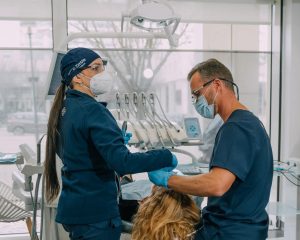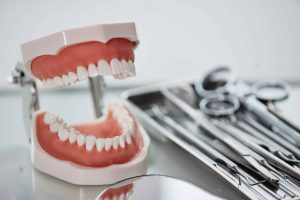


Choosing dental implants is, for many, an important step in regaining comfort, aesthetics, and confidence in daily life. At Dr. Pedro Coelho Dental Clinic, in Oeiras, we see people every day who are seeking this solution for various reasons, from losing a single tooth to full arch rehabilitation.But there is one aspect we never neglect: information and follow-up after treatment. Placing an implant is only the beginning; the subsequent care is crucial for long-term success.If you are considering getting dental implants or already have an appointment booked, this article is for you. We'll explain, in a clear and practical way, what care to take with dental implants to ensure a smooth recovery and prolonged durability.
What exactly are dental implants?
A dental implant is a titanium structure, inserted into the jawbone or maxilla, which replaces the root of a lost tooth. On this solid base, a natural-looking crown (or bridge) is placed, restoring not only aesthetics but also chewing function.The material used is biocompatible, meaning the body accepts it safely, and the process of integration into the bone is called Osseointegration. This process can take a few weeks, and this is where post-operative care plays a fundamental role.
Before surgery: preparation is half the battle
1. Personalised assessment
Every mouth is unique, which is why the first step is always a thorough evaluation. At Clínica Dr. Pedro Coelho, we use X-rays and 3D scans to study bone density and plan the procedure with complete safety.
“More than placing implants, our objective is to place them in the right location, with the right technique, at the right time.”
Dr Pedro Coelho
2. Rigorous oral hygiene
Before surgery, it is important to keep the gums and teeth free from inflammation or infection. If there is any source of infection (such as cavities or gingivitis), it will need to be treated beforehand.
3. Diet and lifestyle
In the 24 hours before surgery, a light diet and the cessation of tobacco and alcohol are recommended. Smoking compromises healing and can increase the risk of implant failure.
After implant placement: the first few days are crucial
The first few days after surgery are delicate. Although the procedure is minimally invasive and usually well-tolerated, fundamental care is necessary for a good recovery.
Rest and ice
In the first 48 hours, avoid physical exertion and apply ice to the affected area at regular intervals. Swelling is normal, but these measures can significantly reduce it.
2. Medication and pain
Take the prescribed medication exactly as directed. Anti-inflammatories and antibiotics help to control pain and prevent infection. Do not stop taking the medication, even if you feel better before the course is finished.
3. Gentle feeding
Avoid hot, hard, or spicy foods. Opt for cold soups, yogurts, purees, and smoothies. For the first few days, chew on the opposite side to the implant (if applicable).
Hygiene care with implants
Oral hygiene is one of the pillars for the success of dental implants.
- Careful brushingYou should continue to brush your teeth twice a day with a soft-bristled toothbrush, avoiding pressure on the implant area for the first few days.
- Dental floss or interdental brushesThere are specific options for patients with implants, ideal for cleaning interdental areas without causing damage.
- Antiseptic mouthwashesDuring the first week, an alcohol-free elixir may be recommended, which helps to keep the area disinfected.
And in the long term? Maintenance is key
A dental implant can last for decades, but only if it's well cared for. Here are the points to keep in mind:
1. Regular dental check-ups
Even without pain or discomfort, it's important to visit the clinic at least twice a year. We assess the condition of the implant, the crown, and the surrounding bone.
2. Monitoring of harmful habits
Biting your nails, chewing pen caps, using your teeth to open packaging… These are behaviours to avoid, especially with implants. Bruxism (teeth grinding) should also be controlled, using protective mouthguards if necessary.
3. Tobacco: a silent enemy
Tobacco continues to be one of the biggest enemies of oral health. In patients with implants, it significantly increases the risk of peri-implantitis, an inflammation that can lead to implant loss.
Why choose the Dr. Pedro Coelho Clinic, in Oeiras?
Our approach to dental implants goes far beyond the technique. We support each patient individually, with attention to detail, comfortable service, and a focus on the result.
Our commitment doesn't end when the implant is placed; it's there that a path of follow-up, prevention, and care begins.
Do you want to know if dental implants are right for you?
Please complete the form below and book a personalised assessment with our team. We will thoroughly analyse your case and guide you on the best way to restore your smile safely and naturally.
Book your appointment at the Dr. Pedro Coelho Clinic in Oeiras and take the first step towards a more confident smile.
Frequently Asked Questions about Dental Implants
To clarify the most common doubts for those considering dental implants, we have listed below frequently asked questions at Dr. Pedro Coelho’s Dental Clinic in Oeiras.
Does having dental implants hurt?
Implant placement is carried out under local anaesthetic and is, in most cases, painless. Patients report only some mild discomfort in the following days, which can be easily managed with medication prescribed by the dentist.
What is the recovery time after getting implants?
The initial recovery usually lasts between 3 to 7 days, depending on the individual. Osseointegration, the process of the implant fusing to the bone, can take between 2 to 6 months, at which point the permanent crown is fitted.
Can implants be rejected by the body?
This is not rejection in the classic sense (as happens with transplanted organs), but there can be failures in osseointegration. These situations are rare and are generally associated with factors such as smoking, poor oral hygiene, or uncontrolled diseases (e.g., diabetes).
Who cannot have dental implants?
There are few absolute contraindications. However, people with severe bone disease, heavy smokers, or those with poor oral health may require prior care or treatment before proceeding with implants.
Can an implant last forever?
With good care, proper hygiene, regular dentist visits, and healthy habits, a dental implant can last 15, 20 years, or more. In many cases, it lasts a lifetime.
What happens if you don't look after your implant properly?
A lack of care can lead to inflammation of the gums around the implant (peri-implantitis), which can compromise the bone structure and lead to implant loss. The good news is that it is entirely preventable with regular maintenance.
How much does a dental implant cost?
The cost can vary depending on the number of implants, type of prosthesis, additional tests, and case complexity. At Clínica Dr. Pedro Coelho, we always create a personalised and transparent treatment plan, with various payment options.
Can I have an implant placed immediately after losing a tooth?
Yes, in some cases it is possible to place the implant on the same day the tooth is extracted (immediate implant). However, it is necessary to assess whether there is sufficient bone structure and if there are no infections at the site.